
Bruno, Leticia, and Nicolas have begun a new chapter in their lives in the Fazendinha community, located in the southern part of Recife, Brazil. This family dreamed of having a safe home and found that opportunity thanks to TETO Brasil, which built a resilient house designed to withstand the impacts of the rains and floods that frequently affect the community.
The project, called Resilient Housing, was developed as part of the global Roof Over Our Heads (ROOH) campaign. This initiative, funded by Bank of America, aims to provide climate-resilient housing solutions for 2 billion people worldwide, operating in six Latin American countries: Argentina, Brazil, Chile, Colombia, Peru, and Mexico. The resilient housing built in Fazendinha served as the pilot project in Brazil and presented a significant challenge, as its design had to be adapted to the specific realities of the country’s favelas. Fazendinha, with more than 175 homes—most of which are made of masonry—suffers significant property damage during the rainy seasons due to recurring floods.
To address these needs, resilient housing incorporates innovative architectural elements that improve both the safety and well-being of its residents. Its elevated structure—a distinctive feature of TETO Brasil homes—protects against flooding and improves indoor thermal conditions by creating an air cushion. Additionally, this structure reduces the entry of insects and rodents, which are common problems in the area. The plastic-coated panels allow natural light to enter, improve thermal comfort, and are resistant to heavy rain, while the recyclable roof tiles enhance thermal and acoustic insulation, all while reducing the environmental impact. Natural ventilation is also incorporated, which helps control humidity and prevent diseases, ensuring a comfortable temperature inside the home.
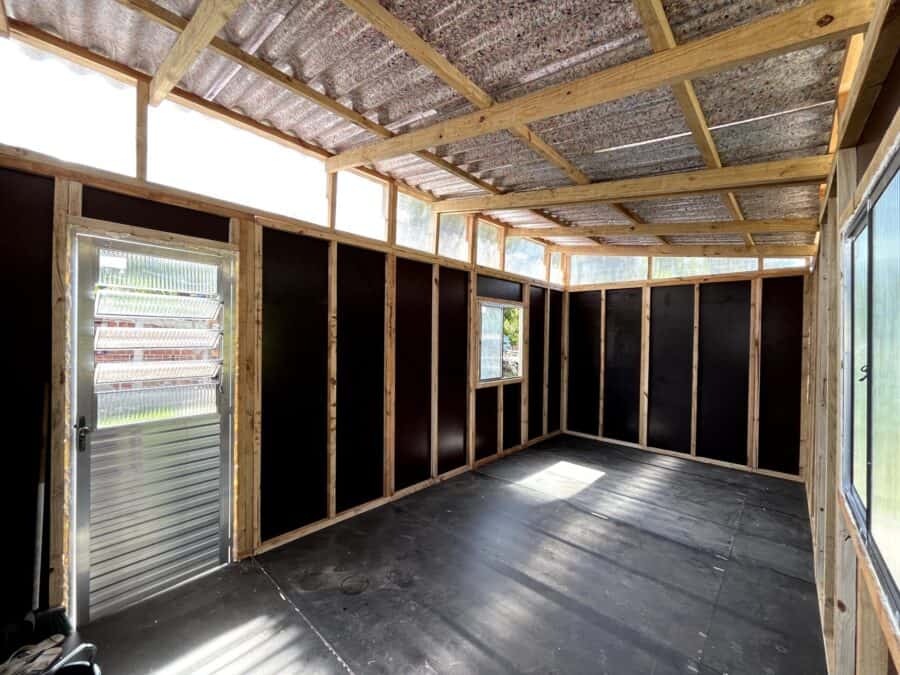
The modular design facilitates transportation and reduces the carbon footprint, while also allowing the homes to be expanded to meet families’ future needs. Another essential aspect of the project is its participatory approach, as the homes are built by TETO Brazil volunteers in collaboration with community members. This process empowers residents, who take an active role in creating more dignified and safe living spaces, strengthening their community and making them feel better equipped to fight for their rights.
Bruno, Leticia, and Nicolas’s home is not only a safe haven but also a symbol of resilience and community collaboration, marking an important step toward building sustainable and equitable housing solutions that address climate change.